

The basics of modern type 2 diabetes therapy
New care guideline for diabetes: what does it mean in practice?
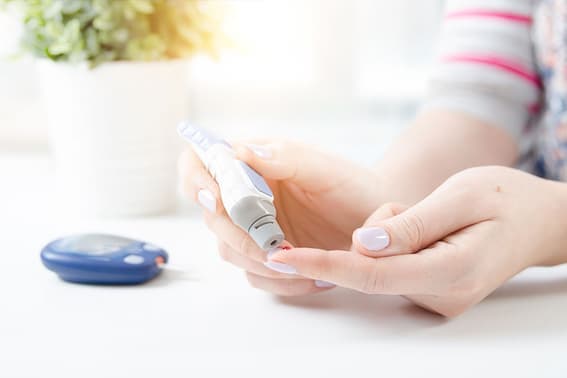
On the basis of the major diabetes studies, e.g. the ACCORD study, we know that diabetes treatment is most successful when therapy is started early. Optimising therapy after a long duration of diabetes of up to 10 years is less successful.
Conclusion: consistent therapy is needed at an early stage of diabetes. Therapy should be adapted to the individual situation. Forcing an improvement in metabolic control in order to reach near-normal blood sugar levels can be dangerous.
Which criteria should be taken into account when setting individual goals?
Motivation/goals of the patient
Duration of diabetes
Life expectancy
Concomitant disease
Cardiovascular complications
Risk if hypoglycaemia occurs
Financial resources
When the treatment goal is considered, there is generally an HbA1c range of between 6.5 and 7.5%.
The individual treatment goal is set on the basis of several decision criteria. The basis for setting individualised goals is worked out together with the patient after a medical consultation.
The following criteria play a role here:
Preventing late complications
Avoiding insulin therapy
Reducing the number of medicines
Avoiding hypoglycaemia or weight gain
Reducing blood sugar self-measurements or injections
Improving quality of life
Weighing up new against established medicines
Besides the patient's wishes, concomitant diseases play a central role in setting individual target values.
On the basis of the VADT study, starting strict blood sugar control makes sense up to a diabetes duration of 10–15 years. With a limited life expectancy of less than 10 years, the treatment goals are an HbA1c value of between 8.5 and 9%.
Typology of the most important concomitant diseases
In the case of one or more serious underlying diseases, such as cancer, heart failure, kidney failure or COPD, the main treatment goal is freedom from symptoms:
Blood sugar < 200 mg/dl
HbA1c < 8.5–9%
With a symptomatic comorbidity, the patient's quality of life is impaired, e.g. by depression or a pain syndrome. On the basis of an in-depth conversation, a shared basis for decision-making is worked out as to which treatment goals will improve the patient's quality of life.
This ensures that the patient can concentrate on the treatment goals. If cardiovascular disease is present, which frequently occurs as a late consequence of diabetes, consistent drug treatment of all risk factors is necessary (lipid metabolism disorder, high blood pressure).
Treatment goals in cardiovascular disease are freedom from hypoglycaemia and the following values:
HbA1c < 6.5%
LDL < 100, if necessary down to 70 mg/dl
HDL > 40 mg/dl
TG (free fats) < 150 mg/dl
BP < 130/80 mmHg
New target blood pressure in diabetes mellitus
Systolic 130/140 mmHg, diastolic 80–85 mmHg.
If multiple underlying cardiovascular diseases are present, the treatment goals are an HbA1c value of between 7.5 and 8.5% and the avoidance of hypoglycaemia. A further point among the treatment goals is the efficacy and tolerability of the medicines and the avoidance of weight gain.
The medicine of first choice is metformin. If satisfactory blood sugar control is not achieved, a further medicine is needed. The most cost-effective option is the sulfonylureas, such as glibenclamide or glimepiride.
In all studies, these second-line medicines show an increased risk of new-onset cardiovascular disease and a considerable increase in hypoglycaemia. From a diabetological point of view, the following medicines are needed to tailor treatment individually: DPP-4 inhibitors, e.g. Onglyza®, Januvia® and Galvus®, basal insulin such as Lantus®, or the SGLT-2 inhibitors, e.g. Forxiga®, which lower blood sugar by increasing the excretion of sugar in the urine.
The most favourable prognosis is shown by treatment goals such as weight reduction and the avoidance of hypoglycaemia or of cardiovascular risk diseases.
Take the next step
Ready for your next appointment at the diabetes centre?
Professional advice, state-of-the-art therapies and a caring team are waiting for you. Arrange your appointment – in person or conveniently online.
Reachable by phone
0231 / 141 237Mon, Tue, Thu 08:00–12:00 & 13:30–17:00
Wed 08:00–12:00 · Fri 08:00–12:30